


 English
 русский
 Español
 Deutsch
Industry News
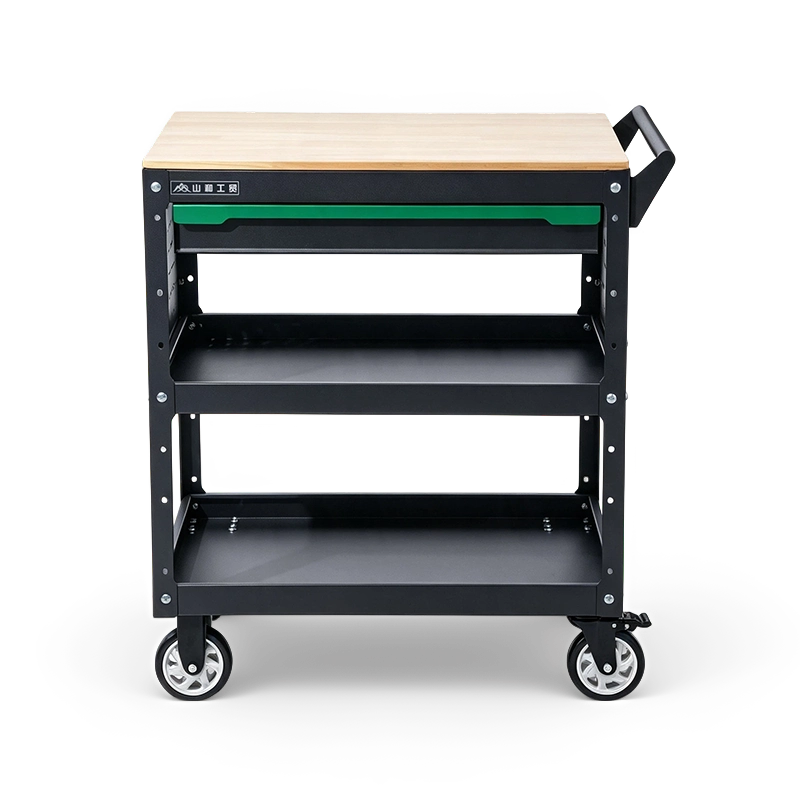
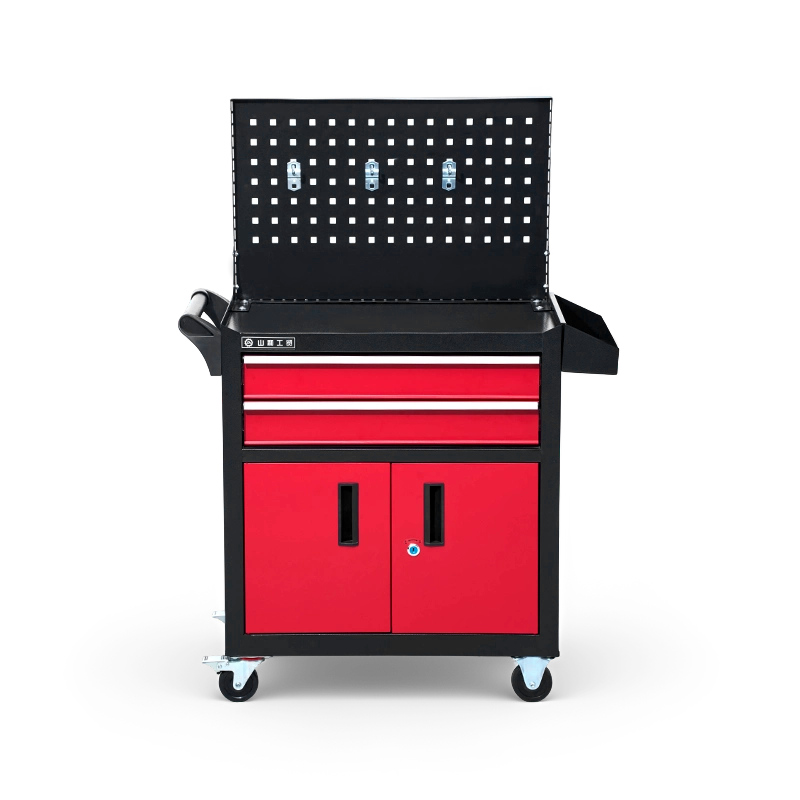
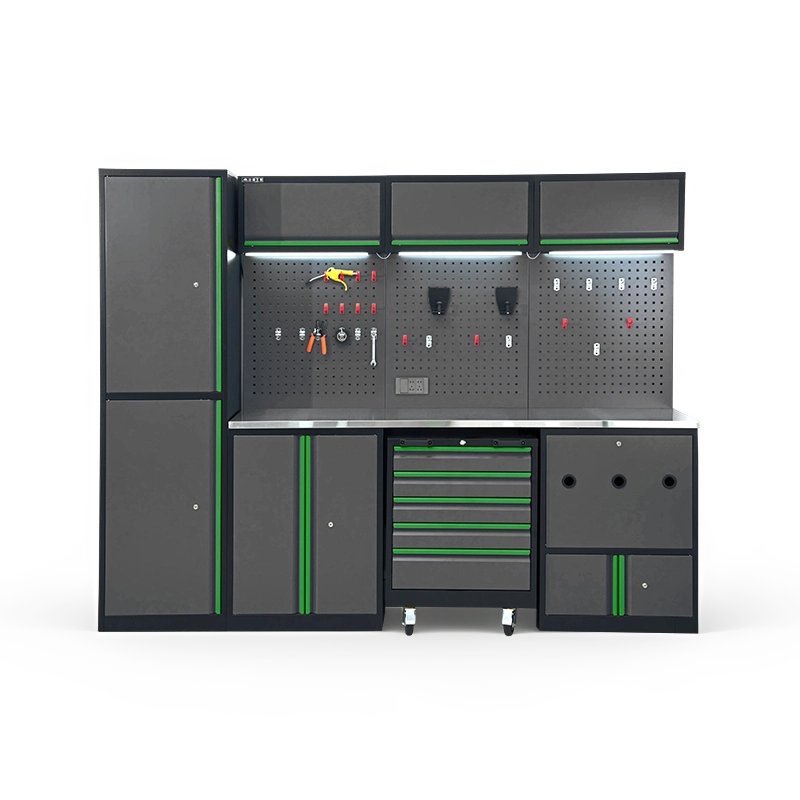
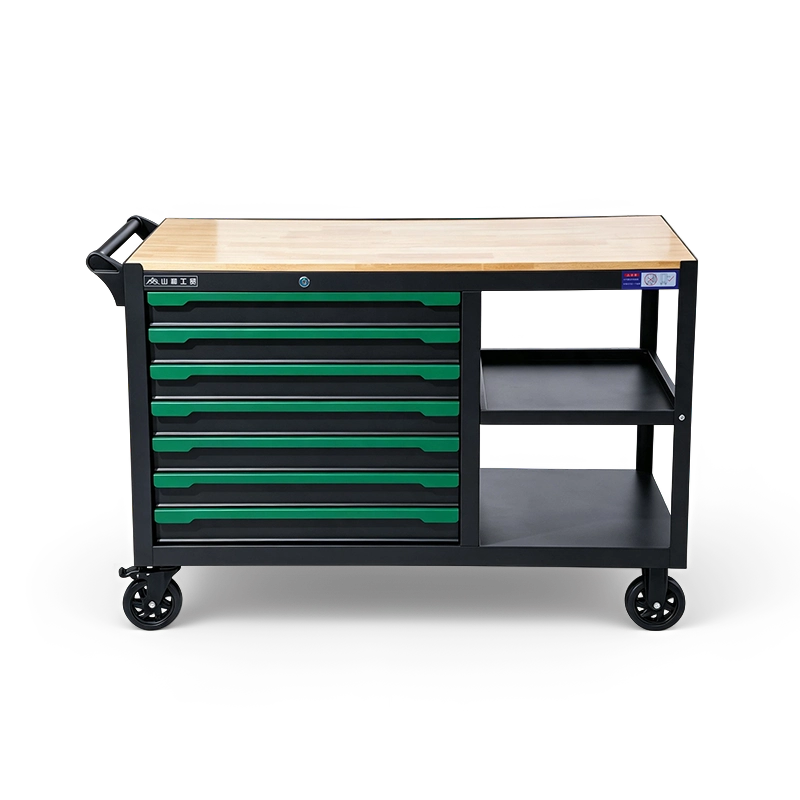
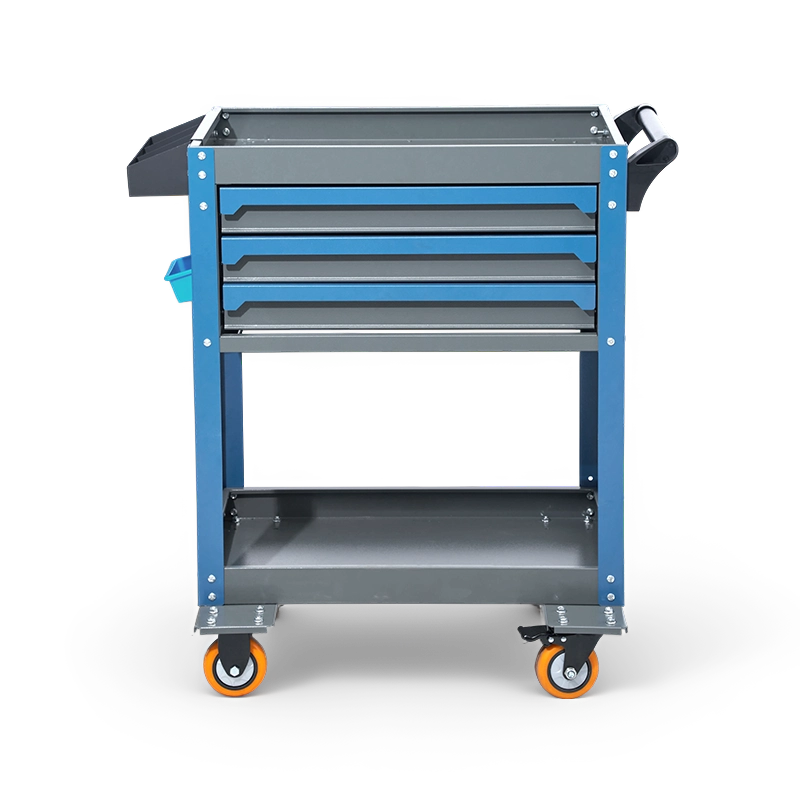
As maintenance tasks become more varied, workshop storage needs can change as well. A basic cabinet may no longer provide enough separation for different tool categories, while an unorganized storage system can make it difficult to track equipment and return items after use. A 7-Drawer Tool Cart with Side Drawer offers a practical way to separate tools and accessories within one mobile unit. For maintenance departments, repair facilities, and industrial buyers, selecting the right configuration requires attention to storage capacity, drawer usability, construction quality, and long-term maintenance needs.
Identify What Needs to Be Stored
Before purchasing a new tool cart, buyers should review the tools currently used by their teams. Hand tools, sockets, precision instruments, fasteners, and small accessories may require different storage arrangements.
A seven-drawer layout allows tools to be grouped according to their function or working frequency. However, the actual benefit depends on drawer dimensions and internal space. Manufacturers should consider usable depth, opening width, and the clearance required for larger tools when developing the cabinet structure.
Buyers can make the selection process easier by preparing an inventory of commonly used equipment instead of choosing a cart based only on its exterior dimensions.
Use the Side Drawer for Separate Storage Needs
The side drawer provides an additional compartment for items that may not fit conveniently into the main drawer arrangement. Depending on its dimensions, it can accommodate smaller accessories, frequently used supplies, or items that technicians prefer to keep separate.
Its location and opening direction deserve attention, especially in workshops where several carts may be positioned close together. Buyers should confirm that the drawer can open without interfering with nearby equipment or work surfaces.
From a manufacturing perspective, the side drawer should be integrated into the overall cabinet design with appropriate attention to alignment, support, and smooth operation.
Consider Drawer Organization and Access
A tool cart becomes more useful when its contents are easy to identify and retrieve. Drawer dividers, trays, and removable organizers can help keep smaller items separated, reducing the need to search through mixed contents.
The choice of organization accessories should reflect the tools being stored. Fixed compartments may suit a stable inventory, while adjustable arrangements can provide more flexibility when tool requirements change.
Manufacturers can discuss compatible organizers during customization so that the internal layout supports the buyer's intended use rather than requiring major changes after delivery.
Assess Construction for Repeated Use
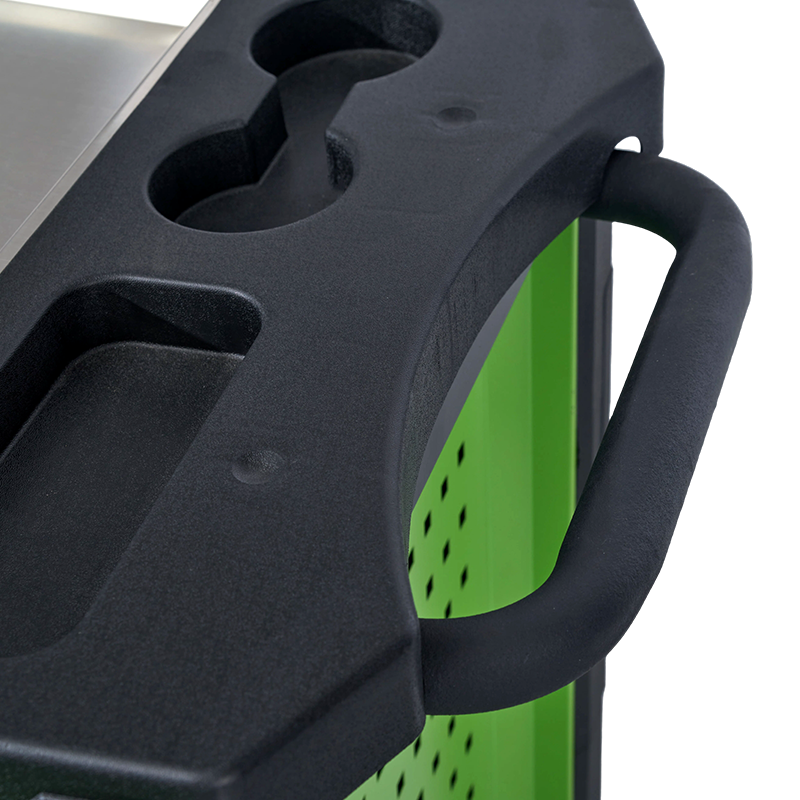
A workshop tool cart must support the weight of its contents while handling routine opening, closing, and movement. Cabinet materials, drawer slides, handles, casters, and connecting hardware all contribute to its performance.
Buyers should review the specified load capacity and understand whether it applies to individual drawers, the cabinet as a whole, or both. Tools should be distributed according to the manufacturer's loading guidance, and the cart should be used on suitable surfaces.
Consistent material selection and assembly checks help manufacturers maintain the intended structural quality across production batches.
Make Inspection Part of Product Quality
Quality checks should cover both the appearance and operation of the finished cart. Relevant inspection points include:
- Drawer alignment and opening performance
- Handle and caster attachment
- Surface coating and visible defects
- Cabinet assembly and component fit
- Compliance with specified loading requirements
Checking these details before packing helps identify assembly problems while the product is still accessible for correction.
Plan for Maintenance and Repeat Purchasing
For businesses operating multiple workshops, consistent specifications can simplify replacement and future purchasing. Buyers should retain information about the cart model, dimensions, drawer configuration, finish, and compatible accessories.
It is also useful to ask about the availability of replacement components, such as casters or drawer slides, where applicable. This can help maintenance teams plan repairs without replacing the entire cart when only one component requires attention.
Select a Configuration That Supports Your Team
A suitable 7-Drawer Tool Cart with Side Drawer should reflect the tools being stored, the frequency of use, and the conditions in which it will operate. As a manufacturer, focusing on practical drawer layouts, compatible accessories, reliable assembly, and clear product specifications helps buyers select a cart that fits their maintenance workflow. Careful configuration at the purchasing stage can also make storage easier to manage as workshop requirements evolve.

 18905886877@163.com
 +86-13967066608
 No. 59, Jinxiu Road, Huzhen Town, Jinyun County, Lishui City, Zhejiang Province, China

