 English
 русский
 Español
 Deutsch
Home / News / Industry News / Can Smarter Tool Cart Organization Reduce Time Lost in Busy Workshops?
Industry News
 Email: 18905886877@163.com
 Phone: +86-13967066608

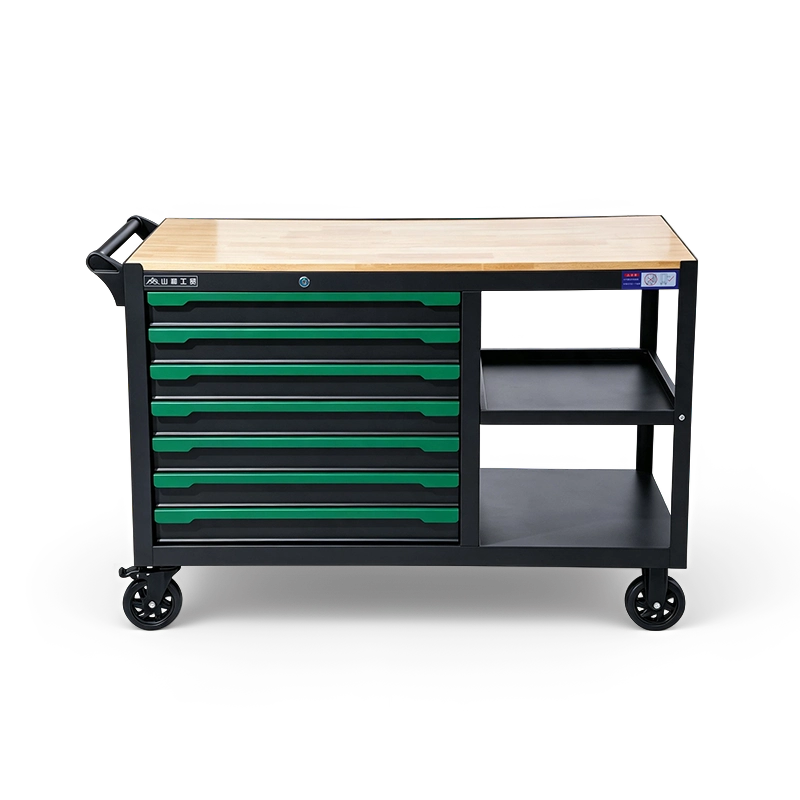
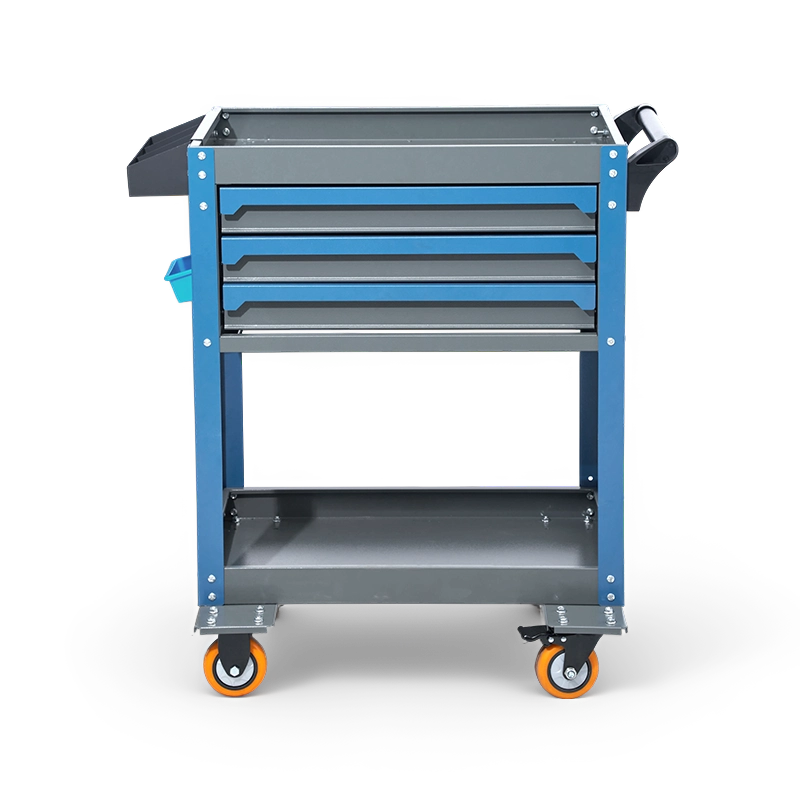
In a busy workshop, small interruptions can affect the flow of maintenance and repair work. Technicians may need to search for a particular socket, move frequently used accessories between workstations, or clear tools from a crowded workbench before starting another task. A well-organized 7-Drawer Tool Cart with Side Drawer can help address these everyday problems by giving tools designated storage locations and keeping frequently used items within reach. For buyers evaluating workshop storage equipment, the important considerations extend beyond drawer count to layout, mobility, construction, and suitability for the working environment.
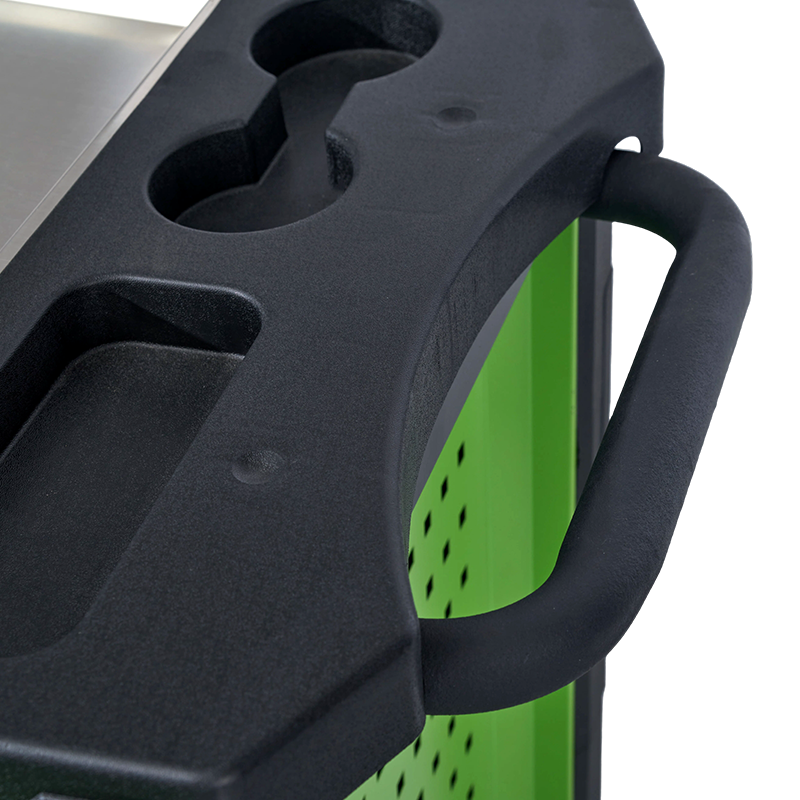
Seven drawers provide opportunities to separate tools by type, size, or frequency of use. Instead of placing everything in one compartment, technicians can assign individual drawers to sockets, wrenches, measuring tools, small parts, and other equipment used during routine maintenance.
This arrangement makes it easier to return tools to consistent locations after a job. It can also help workshops identify missing items before equipment is moved to another work area. Manufacturers should consider practical drawer dimensions and usable internal space so that the storage arrangement supports real tool collections rather than simply increasing the number of compartments.
The side drawer offers additional storage without requiring every item to occupy one of the main drawers. It can be useful for accessories, frequently handled supplies, or tools that technicians prefer to keep separate from larger equipment.
However, its value depends on the intended contents and the cart's overall layout. Buyers should check the side drawer's dimensions, opening clearance, and relationship to nearby work surfaces. A suitable design should allow the drawer to open conveniently without creating unnecessary obstacles in a crowded workshop.
For manufacturers, coordinating the side drawer with the main cabinet is important for maintaining a balanced structure and making effective use of the available space.
The number of drawers alone does not determine whether a tool cart will meet a workshop's needs. Internal dimensions, opening width, usable depth, and drawer extension all influence how tools can be arranged.
Before placing a bulk order, buyers should consider:
Confirming these details helps buyers avoid a cart that looks suitable externally but cannot accommodate their actual tool inventory.
A mobile tool cart needs to move smoothly while remaining stable during normal use. Caster design, wheel positioning, handle placement, and frame construction all influence how the cart behaves when pushed across a workshop floor.
Buyers should consider floor conditions, aisle width, turning space, and the frequency of movement between workstations. Drawer contents should also be distributed sensibly, with heavier tools stored in accordance with the manufacturer's guidance. An overloaded or poorly balanced cart may become difficult to control.
Manufacturers need to evaluate the cabinet, frame, wheels, and drawer assembly as a connected structure rather than treating mobility as a separate feature.
Workshop storage equipment may encounter dust, oil residue, metal particles, and occasional impacts. Material selection and surface finishing should reflect these working conditions.
During product development, manufacturers can assess cabinet material, panel construction, coating consistency, handle attachment, and exposed edges. Buyers should also consider how easily the surfaces can be cleaned and whether the finish suits the intended environment.
A clear specification helps establish expectations for appearance and construction quality before production begins.
A tool cart may be used repeatedly throughout a working day, making the performance of its moving components important. Drawer slides should operate consistently, handles should be securely attached, and casters should be checked for proper installation and movement.
Manufacturing inspections can cover drawer alignment, opening and closing operation, wheel attachment, surface defects, and overall assembly. Load-related checks should follow the product's specified capacity and testing requirements rather than relying on appearance alone.
The right storage cart supports the way technicians organize, retrieve, and return equipment. For buyers comparing a 7-Drawer Tool Cart with Side Drawer, evaluating drawer layout, side storage, mobility, construction, and inspection standards provides a more useful basis for selection than focusing on appearance alone. As a manufacturer, aligning these design details with actual workshop requirements helps deliver storage equipment that is practical to use, easier to organize, and suitable for consistent procurement.

 18905886877@163.com
 +86-13967066608
 No. 59, Jinxiu Road, Huzhen Town, Jinyun County, Lishui City, Zhejiang Province, China
Copyright © Zhejiang Shanhe Industry and Trade Co., Ltd. Rights Reserved.

