


 English
 русский
 Español
 Deutsch
Industry News
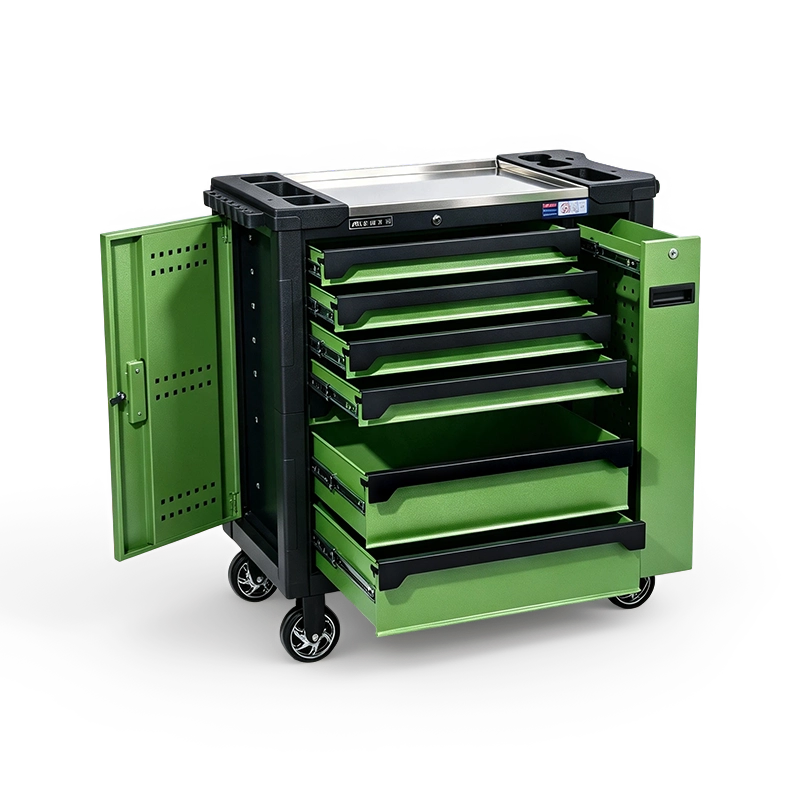
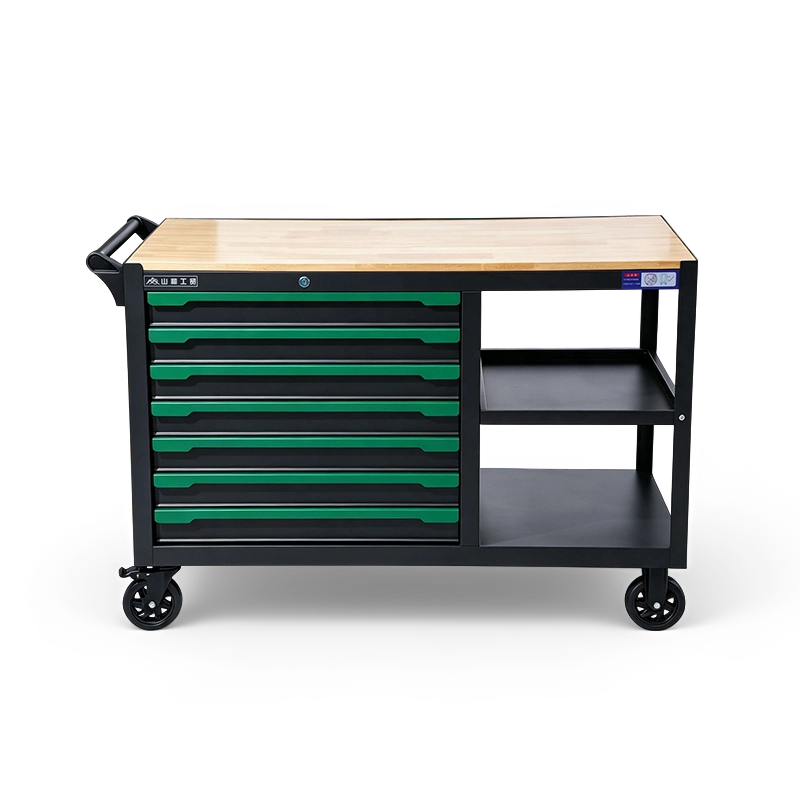
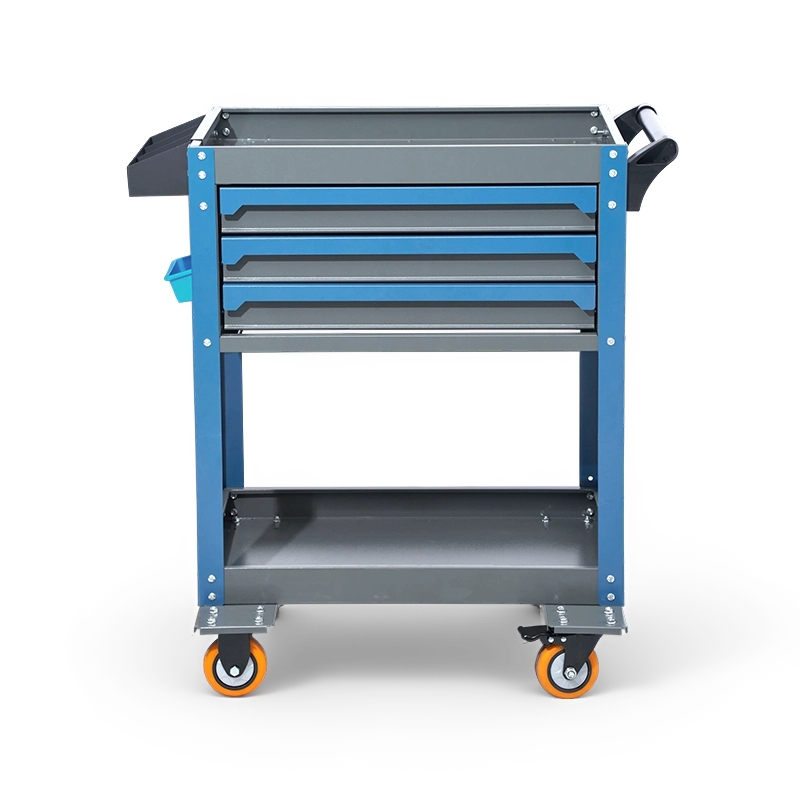
In automotive workshops, maintenance facilities, and industrial service areas, time can be lost when frequently used tools are difficult to locate or return to their proper places. A crowded workbench or poorly organized storage cabinet can also make it harder to keep track of small components during repairs. For workshop managers and equipment distributors, choosing a suitable mobile storage solution means balancing capacity, accessibility, mobility, and durability. A 7-Drawer Tool Cart with Side Drawer offers a way to organize tools by task while making additional storage available without requiring a separate stationary cabinet.
Organize Tools Around Daily Workflows
Storage capacity is useful only when the internal arrangement supports the way technicians work. Frequently used hand tools may need to remain accessible, while measuring equipment, specialty tools, and small accessories may require separate compartments.
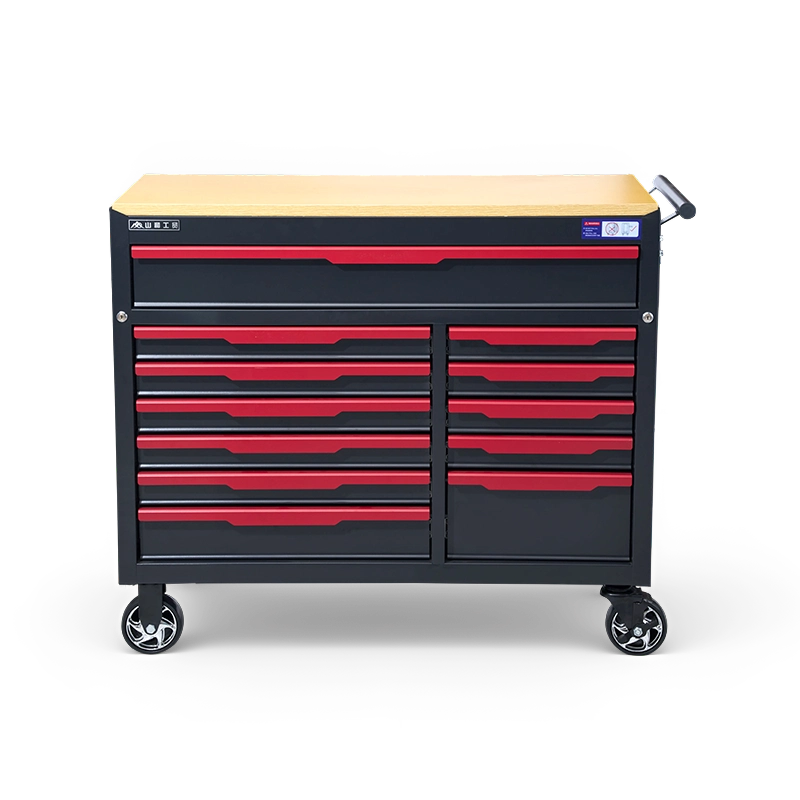
A seven-drawer configuration allows users to divide tools into categories instead of placing everything in one large storage area. The side drawer adds another storage option for items that need to be separated from the main drawer arrangement.
From a manufacturing perspective, drawer dimensions, opening clearance, and internal space should be considered together. Buyers should compare the cart's usable storage dimensions with their actual tool inventory rather than relying on the number of drawers alone.
Check Drawer Slides and Load Capacity
Drawer performance affects both convenience and long-term usability. Slides that do not match the intended load may become difficult to operate, while uneven installation can cause drawers to bind or sit incorrectly.
Manufacturers should evaluate slide compatibility, drawer alignment, fastening points, and the load requirements of each storage compartment. Buyers should request clear specifications for individual drawer capacity and overall cart capacity instead of assuming that all drawers can carry the same weight.
When evaluating a 7-Drawer Tool Cart with Side Drawer, it is also useful to consider how weight will be distributed across the cabinet. Heavier tools should be stored according to the manufacturer's guidance to help maintain stability and support smooth drawer operation.
Make Better Use of Side Storage
The additional side drawer can help separate accessories or tools that do not fit conveniently into the main drawer arrangement. However, its practical value depends on its dimensions, accessibility, and effect on the cart's overall footprint.
Before purchasing, buyers should consider whether the side compartment can open fully in the intended working area and whether nearby benches, equipment, or walls could obstruct access. The side drawer should complement the main storage system rather than create an awkward layout.
Manufacturers can improve usability by checking handle placement, drawer clearance, and the relationship between the side compartment and the main cabinet during product development.
Evaluate Mobility and Positioning
A mobile tool cart needs to move smoothly across the surfaces commonly found in its intended environment. Caster design, wheel size, frame construction, and total loaded weight can all influence handling.
Buyers should check whether the cart includes suitable locking casters and confirm how the brakes operate. Locks can help prevent unwanted movement when the cart is positioned for work, but the cart should still be used on an appropriate surface and loaded according to its instructions.
Manufacturers should assess caster attachment points and frame rigidity as part of the overall design. Mobility should be considered alongside stability, especially when drawers are open or tools are being accessed.
Choose Materials and Finishes for Workshop Conditions
Tool carts are exposed to repeated handling, friction, dust, and occasional contact with oils or cleaning products. The selected sheet material, surface coating, and edge finishing influence the product's appearance and maintenance requirements.
Manufacturers should consider panel thickness, reinforcement, coating consistency, and the protection of exposed edges. Surface preparation and finishing processes should be controlled to reduce visible defects and support consistent production quality.
For buyers, confirming the intended operating environment helps determine whether the selected construction and finish are suitable. Clear material and coating specifications also make it easier to compare samples with bulk deliveries.
Inspect Assembly Quality Before Shipment
A tool cart combines multiple components, including drawers, slides, handles, casters, fasteners, and cabinet panels. Problems with one component can affect the operation of the complete product.
A practical manufacturing inspection may include:
- Checking cabinet dimensions and panel alignment
- Testing drawer movement and closure
- Verifying caster attachment and locking functions
- Inspecting handles, fasteners, and surface finishes
- Confirming the side drawer's fit and operation
- Reviewing packaging and accessory completeness
Consistent inspection procedures help manufacturers identify assembly problems before shipment and maintain closer alignment between approved samples and production batches.
Match the Cart to Long-Term Purchasing Needs
For overseas distributors and workshop equipment buyers, a suitable storage cart should combine practical organization with clearly defined specifications. A 7-Drawer Tool Cart with Side Drawer can support more structured tool management when its storage layout, load capacity, mobility, and construction match the intended working environment.
Manufacturers that document these details and maintain repeatable quality checks give buyers a clearer basis for product selection, customization, and repeat procurement. The result is a storage solution that supports everyday workshop organization while remaining easier to evaluate and manage across multiple orders.

 18905886877@163.com
  +86-13967066608
 No. 59, Jinxiu Road, Huzhen Town, Jinyun County, Lishui City, Zhejiang Province, China
