


 English
 русский
 Español
 Deutsch
Industry News
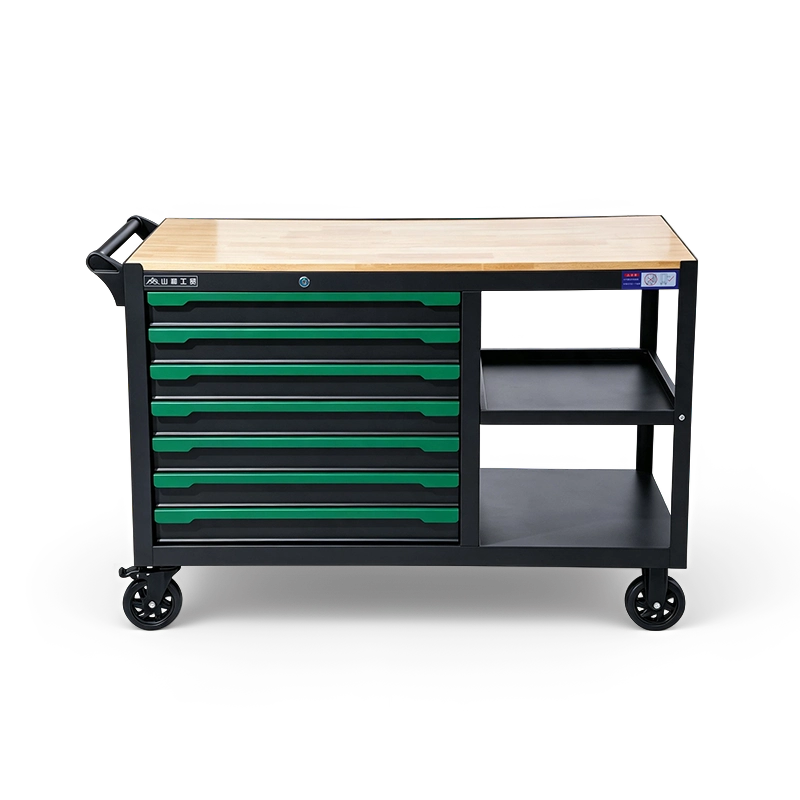
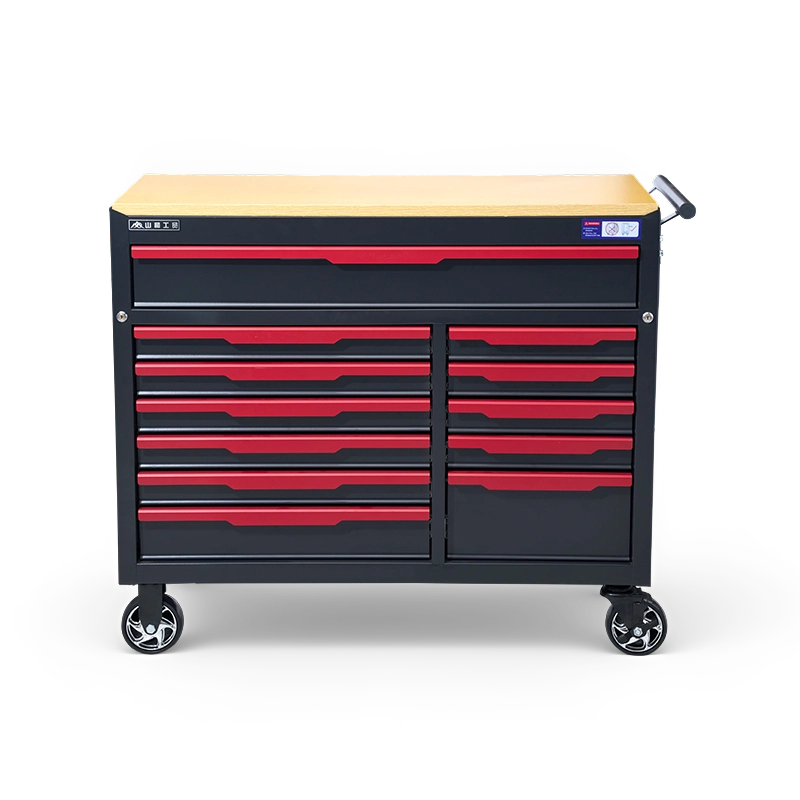
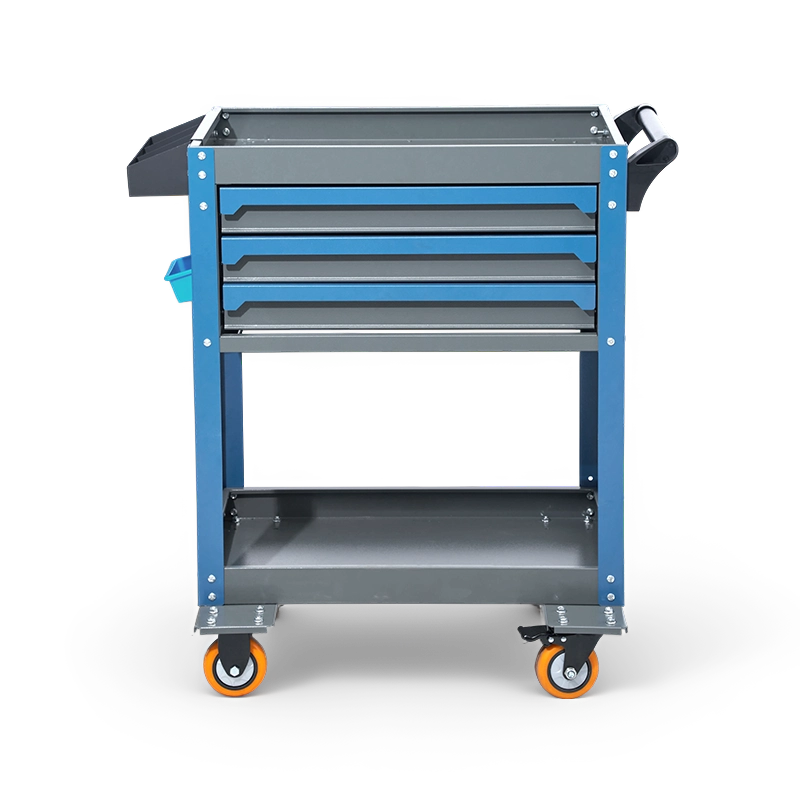
Workshop storage equipment needs to do more than hold tools. It must support repeated daily use, keep equipment organized, and remain manageable as technicians move between work areas. When drawers become difficult to open, wheels require frequent attention, or stored tools are poorly distributed, a storage cart can create additional work instead of simplifying it. A 7-Drawer Tool Cart with Side Drawer can address several of these concerns when its structure, storage layout, and moving components are designed around actual workshop requirements.
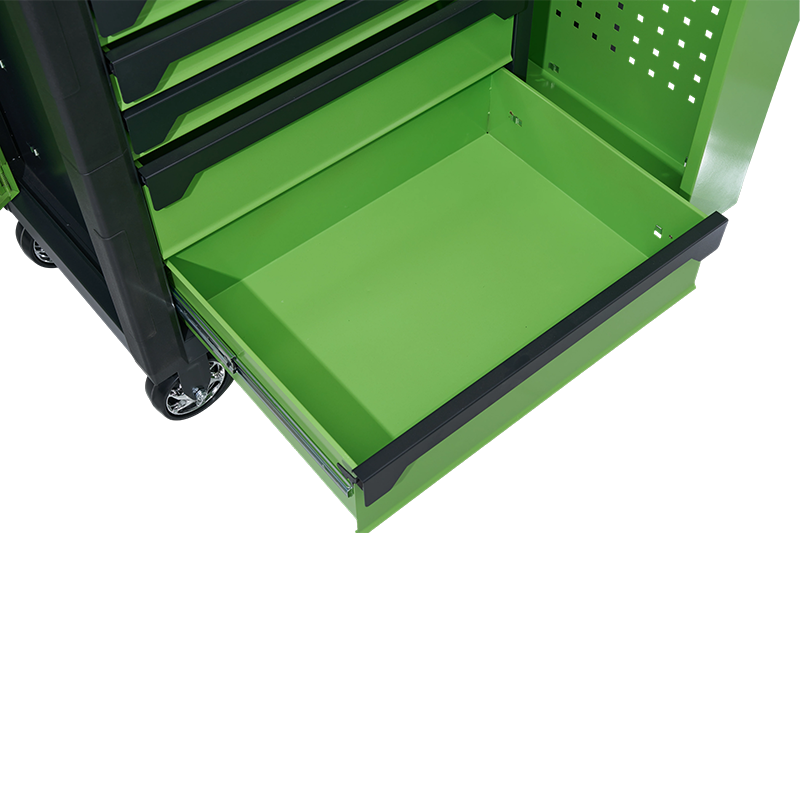
Distribute Tool Weight With Care
A tool cart may hold a combination of lightweight accessories and heavier hand tools. The way these items are distributed affects drawer operation and the cart's overall handling.
Buyers should check the specified load capacity for individual drawers and the complete unit. Heavy tools should be stored according to the manufacturer's loading instructions, avoiding excessive weight in one compartment. Drawer dimensions also matter because oversized tools may occupy more space than expected and limit the usable capacity of neighboring drawers.
During product development, manufacturers need to consider the cabinet structure, drawer supports, and slide selection together. These elements should be matched to the intended load requirements rather than evaluated separately.
Evaluate Wheel and Locking Arrangements
Mobility is useful when technicians need to bring tools to different workstations, but a cart must also remain controlled when parked. Caster quality, mounting strength, wheel positioning, and the locking arrangement all influence practical handling.
Before purchasing, buyers should consider the workshop's floor surface, aisle width, turning space, and frequency of movement. They should also confirm how the locking mechanism operates and follow the manufacturer's instructions when securing the cart.
Manufacturers can inspect caster installation, mounting points, and locking function during assembly checks. These details deserve the same attention as the cabinet and drawers because they directly affect how the complete product is used.
Choose Surface Finishing for the Working Environment
Tool carts can encounter dust, oil residue, scratches, and frequent contact with tools. The material and surface finish should therefore suit the expected working conditions.
Buyers should review the cabinet material, coating appearance, exposed edges, and cleaning requirements. A smooth, properly finished surface can make routine cleaning easier, while consistent coating application contributes to a uniform product appearance.
From a manufacturing perspective, surface preparation and coating inspection should be included in production quality control. Any special requirements for color or finish should be confirmed before bulk production begins.
Keep Frequently Used Items Accessible
Seven main drawers and an additional side drawer offer several ways to separate tools by task or frequency of use. The arrangement should reflect the actual inventory rather than simply filling every compartment.
The side drawer may be suitable for small accessories or items that need separate storage, depending on its dimensions. Buyers should verify opening clearance and ensure the cart can be positioned conveniently within the available workspace.
Optional dividers or organizers can further improve separation, provided they fit the drawer dimensions and intended contents.
Make Routine Maintenance Easier
Moving parts and mechanical components need periodic attention during normal service. Drawer slides, caster assemblies, handles, and locking components should be checked according to the manufacturer's maintenance guidance.
A practical maintenance routine can include:
- Checking wheels for damage or unusual movement
- Inspecting drawer operation and alignment
- Confirming that handles and fasteners remain secure
- Cleaning surfaces and removing accumulated debris
- Reviewing the cart for visible structural damage
Regular checks help users identify wear before it interferes with everyday work.
Confirm Quality Before Bulk Purchasing
For distributors and businesses equipping several work areas, consistent specifications make repeat orders easier to manage. Buyers should confirm dimensions, load ratings, drawer configuration, finish, caster type, and any required accessories before approving production.
Manufacturers can use these specifications to guide assembly inspections and final product checks. Maintaining consistent inspection criteria also helps reduce differences between units supplied in the same order.
Select a Cart for Long-Term Practical Use
A 7-Drawer Tool Cart with Side Drawer should combine usable storage, suitable load capacity, controlled mobility, and maintainable components. As a manufacturer, evaluating these requirements together helps create a product that supports everyday workshop routines without unnecessary design complexity. For buyers, a clear specification and a careful review of construction details provide a sound basis for comparing products and planning future purchases.

 18905886877@163.com
 +86-13967066608
 No. 59, Jinxiu Road, Huzhen Town, Jinyun County, Lishui City, Zhejiang Province, China

